
Creating a relaxing home workspace is essential for maintaining focus and reducing stress, especially when working remotely. A well-designed workspace can help you feel more comfortable, boost creativity, and improve productivity. In this post, we’ll explore practical steps you can take to transform your home office into a peaceful and inviting environment.
Why a Relaxing Workspace Matters
Your work environment significantly impacts how you feel and perform during the day. Clutter, poor lighting, and uncomfortable furniture can lead to distractions, fatigue, and even burnout. On the other hand, a space that promotes calmness can help you stay motivated and balanced.
Step 1: Choose the Right Location
Selecting the best spot in your home is the first step toward creating an effective workspace.
– Natural Light: Aim for a location near a window to benefit from natural sunlight, which can improve mood and energy.
– Quiet Area: Avoid high-traffic parts of your home where noise and interruptions are common.
– Space for Movement: Ensure there is enough room to stretch or stand during breaks.
Step 2: Invest in Comfortable Furniture
Comfort is key for sustained focus.
– Ergonomic Chair: Choose a chair that supports your back and encourages good posture.
– Adjustable Desk: Consider a desk that can be adjusted for sitting or standing positions.
– Proper Desk Height: Your desk should be at a height that allows your arms to rest comfortably while typing.
Step 3: Use Soothing Colors and Decor
Colors affect mood and energy levels. Soft, muted tones generally create a calming atmosphere.
– Color Choices: Light blues, greens, and pastels are known for their relaxing effect.
– Minimal Decor: Keep decorations simple to avoid visual distractions.
– Personal Touch: Add items that inspire you, such as plants, artwork, or meaningful photos.
Step 4: Manage Lighting Effectively
Good lighting reduces eye strain and creates a welcoming space.
– Natural Light: Maximize daylight, but use sheer curtains to minimize glare.
– Task Lighting: Use adjustable desk lamps to focus light where you need it most.
– Warm Bulbs: Choose bulbs with warm tones rather than harsh white or blue lights.
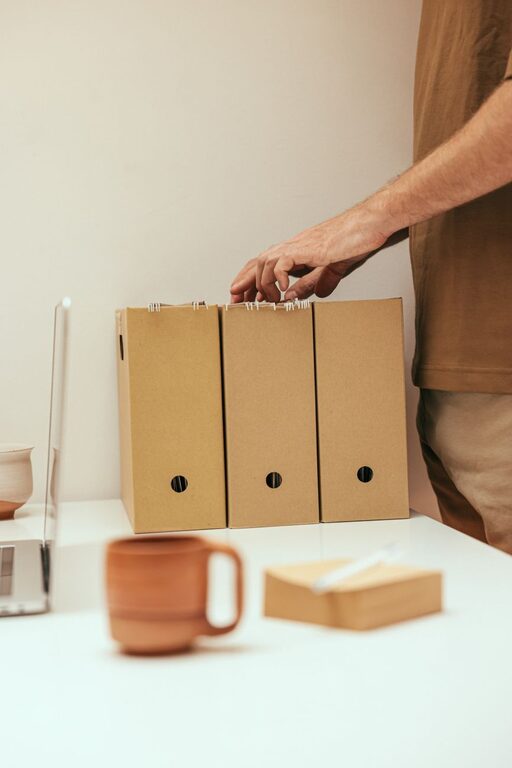
Step 5: Keep Your Workspace Organized
An organized space leads to an organized mind.
– Declutter Regularly: Remove unnecessary items from your desk and nearby shelves.
– Storage Solutions: Use drawers, file cabinets, or baskets to keep supplies out of sight.
– Cable Management: Use clips or sleeves to keep electrical cords tidy.
Step 6: Incorporate Nature
Bringing elements of nature indoors has calming benefits.
– Indoor Plants: Choose low-maintenance plants like succulents or snake plants to improve air quality and add green.
– Natural Materials: Use wooden or stone accessories to create a connection with the outdoors.
Step 7: Control Noise Levels
Noise can be one of the biggest distractions, so managing sound is important.
– Noise-Cancelling Headphones: Use these for concentration during noisy periods.
– White Noise Machines: These can help mask distracting sounds.
– Soft Textiles: Rugs, curtains, and cushions absorb sound and reduce echoes.
Step 8: Establish Boundaries
Work-life boundaries help maintain relaxation when you’re off the clock.
– Dedicated Workspace: Avoid working in shared spaces like the living room or bedroom when possible.
– Set Work Hours: Stick to a routine to separate work from personal time.
– Signage or Signals: If you share your home, communicate your work times to others.
Final Tips for a Relaxing Home Workspace
– Take regular breaks to stretch or move around.
– Keep a water bottle handy to stay hydrated.
– Personalize your space to suit your preferences, but avoid clutter.
– Experiment with layout and decor until you find what feels right.
– Remember, your workspace should support both productivity and well-being.
By following these steps, you can create a home workspace that feels peaceful and motivating, helping you enjoy your workday more. Whether you’re new to working from home or looking to refresh your setup, a relaxing environment makes a big difference.
Happy decorating!
Related Posts
Easy Tips for Organizing Files on Your Computer
Keeping your computer files organized may seem like a small…

Tips for Setting Boundaries with Notifications to Boost Productivity
In our fast-paced digital world, notifications are everywhere—popping up on…

Simple Routines to Start and End Your Workday Effectively
Starting and ending your workday with intentional routines can transform…